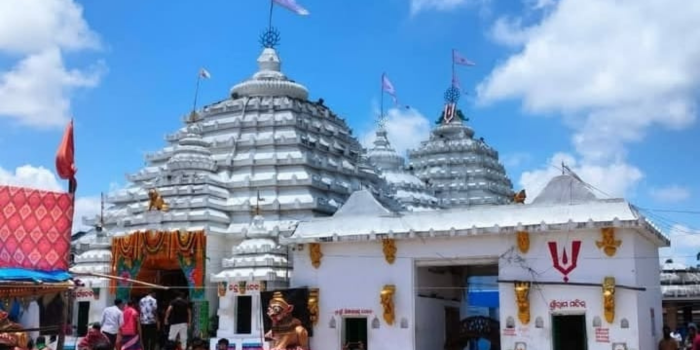
Baladevjew Temple
Shree Baladevjew Temple, located in Ichhapur, Kendrapara, Odisha, is a unique heritage shrine dedicated to Lord Baladeva, the elder brother of Lord Jagannath. An idol representing Tulasi as the Goddes...

 Kendrapara
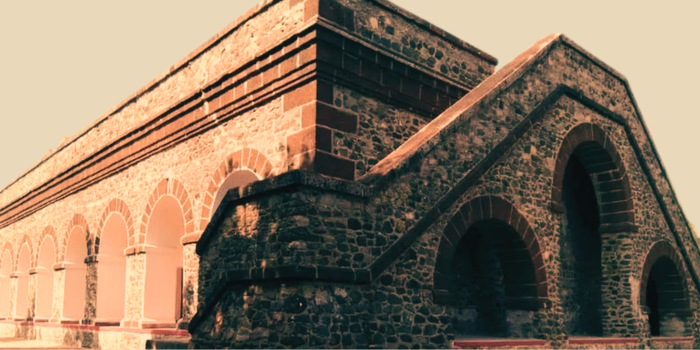
Spanning a massive plinth area of over 7,000 square feet, the building is a masterclass in 19th-century construction technology. The most striking feature of Hukitola is its innovative roof design. The roof was engineered with a unique slope that directs rainwater into four massive underground storage pots. This sophisticated rainwater harvesting system provided a reliable source of fresh drinking water for merchants and sailors throughout the year, showcasing an early mastery of sustainable engineering. Beyond its technical brilliance, Hukitola is a symbol of the state’s glorious maritime heritage. While the port and palace began to lose their commercial prominence after 1924—when the British shifted operations to a new port at False Point—the site remains a major draw for history enthusiasts. Today, it attracts students, scholars, and tourists alike, who are drawn to its scenic island location and its role as a testimony to Odisha's survival and ingenuity. Recently, INTACH, under the Integrated Coastal Zone Management (ICZM) programme, has meticulously renovated Hukitola to promote eco-tourism. This restoration ensures that the palace of the island continues to serve as an educational and cultural landmark, offering a rare glimpse into the colonial past and the architectural brilliance of the 1800s.